Every fertilizer bag carries three numbers, such as 20-20-20 or 12-12-36. Once you know how to read them, choosing the right product for your crop becomes much easier.
What the three numbers mean
The numbers show the percentage by weight of the three primary nutrients, always in the same order: nitrogen (N), phosphorus (P, expressed as P2O5) and potassium (K, expressed as K2O). A 20-20-20 fertilizer therefore contains 20% of each. A 1 kg pack supplies 200 g of nitrogen, 200 g of phosphate and 200 g of potash.
What each nutrient does
- Nitrogen drives leafy, vegetative growth and gives plants their green colour.
- Phosphorus supports root development, flowering and energy transfer within the plant.
- Potassium regulates water use and improves fruit quality and tolerance to stress.
Balanced or targeted?
A balanced formulation such as 20-20-20 is a good general-purpose feed and suits many crops during active growth. Targeted formulations shift the balance for a specific stage. Growers often use a higher nitrogen ratio early in the season, more phosphorus around establishment and flowering, and more potassium as fruit develops.
Water-soluble or granular?
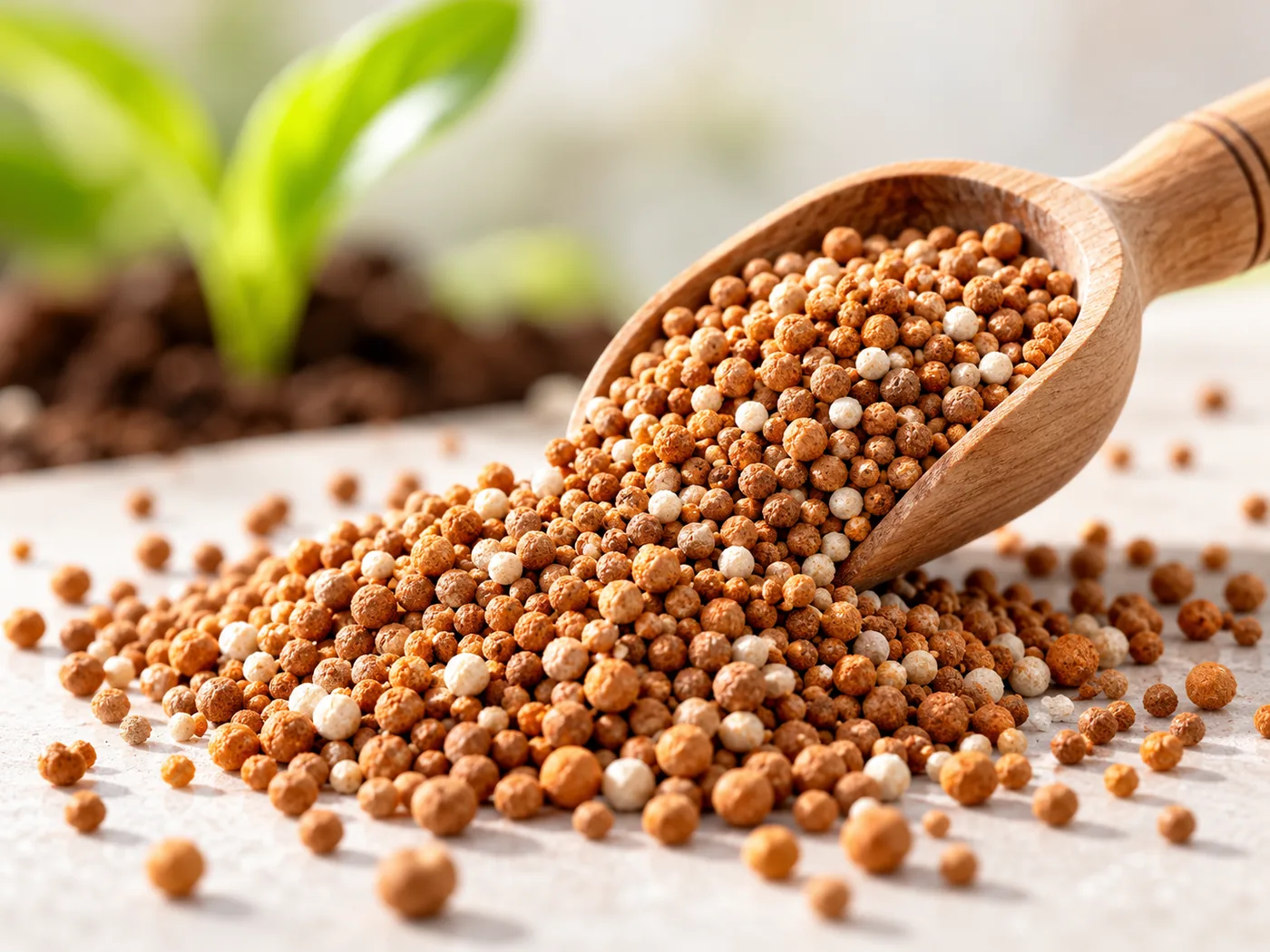
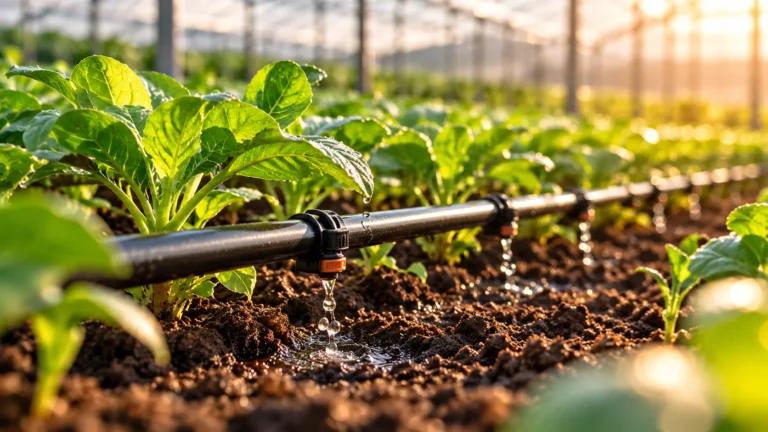
Water-soluble fertilizers dissolve fully and are applied through drip irrigation, fertigation systems or as a foliar spray. They act quickly and allow precise dosing. Granular fertilizers are spread on or mixed into the soil and release nutrients more gradually.
Practical tips for the UAE
- Sandy soils hold few nutrients, so small, frequent applications usually work better than large, occasional ones.
- Irrigation water in the region can be saline. Keep an eye on total salinity when planning your feeding programme.
- A soil or water test takes the guesswork out of choosing a formulation.
- Always follow the rate on the product label or the advice of your agronomist.
- Store fertilizer sealed and dry, away from direct sunlight.
Not sure which formulation fits your crop? Browse our fertilizers and plant nutrition range or contact our team.